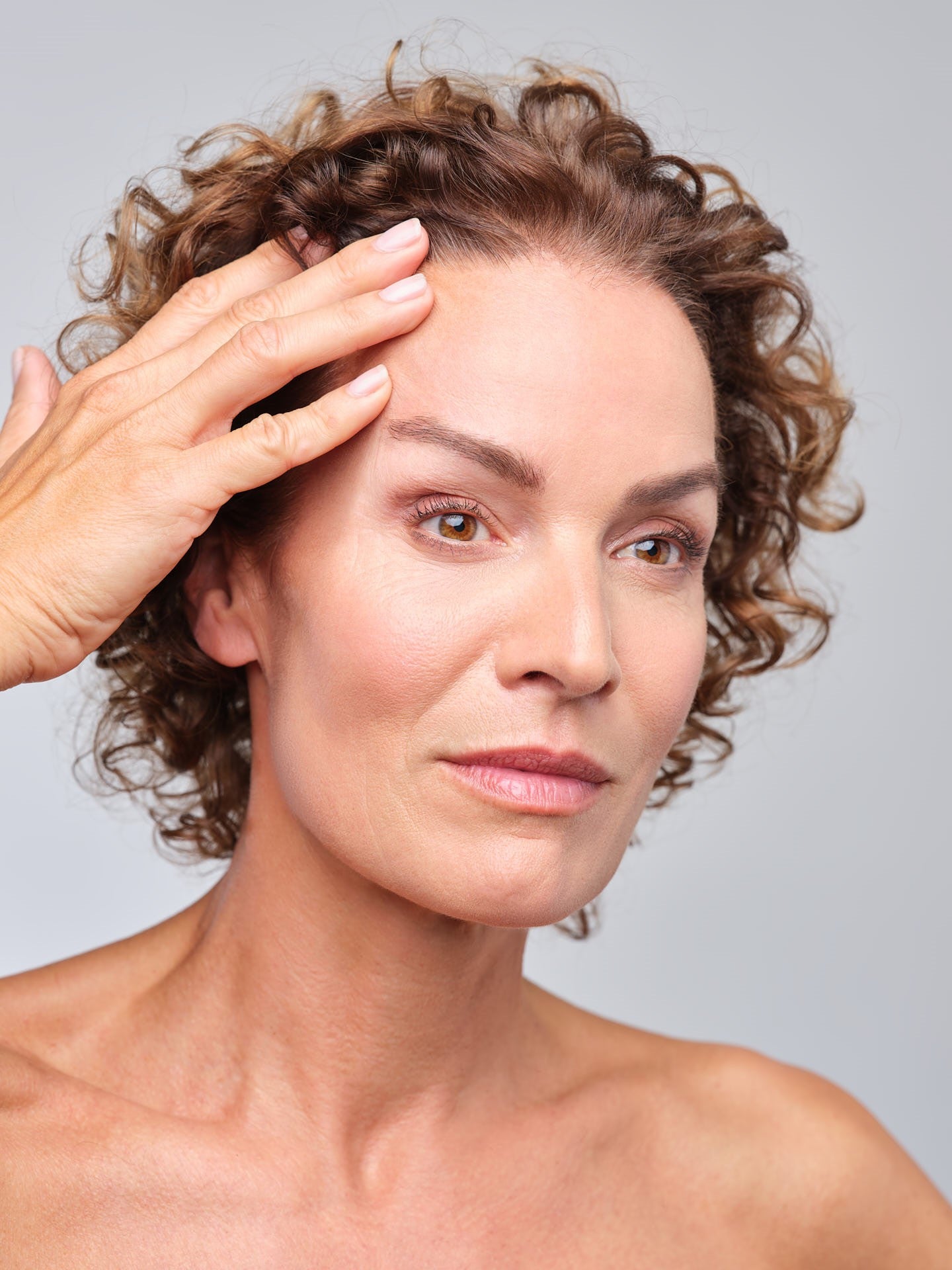
Oberlidstraffung Livion Hamburg

For an open eye area

Upper eyelid lift

Sagging upper eyelids not only make a person appear tired or older, but a significant excess of skin can also severely restrict the field of vision. So-called droopy eyelids are not solely a matter of age - they can be hereditary and may appear at a young age, significantly affecting the quality of life. With an upper eyelid lift at Livion in Hamburg, excess skin above the eyes can be removed, restoring a refreshed appearance and a more alert, youthful look.

Duration

1 hour

What is an eyelid lift

Upper eyelid lift at LIVION in Hamburg

A upper eyelid lift, medically known as blepharoplasty, is an aesthetic procedure aimed at rejuvenating the appearance of the eye area. Over time, the upper eyelids can change due to natural aging and genetic factors, resulting in drooping lids, puffiness, and excess skin. This can not only affect the overall appearance but also impair the field of vision and create a tired look.

How is an upper eyelid lift performed?

A short procedure for a more youthful eye area

At LIVION in Hamburg, upper eyelid surgery is usually performed under local anesthesia. For the procedure, a strip of skin and muscle (and fat if necessary) is removed from the upper eyelid so that the resulting scar is positioned precisely within the natural eyelid crease. At the outer corner, the scar extends only about half to one centimeter beyond the crease and can be easily concealed with makeup once healed. This makes the scar nearly invisible after surgery. If there is also eyelid drooping (ptosis), it is recommended to correct it during the same procedure. Upper eyelid surgery can, of course, be performed in combination with a lower eyelid lift.

What you need to bear in mind after the procedure

Aftercare for upper eyelid lift
After upper eyelid surgery, slight swelling and bruising may occur, but these will disappear after a few days. To support wound healing, you should regularly cover the eye area with cool compresses after eyelid correction. We also recommend that you sleep with your upper body slightly elevated for the first few days and avoid physical exertion. The stitches will be removed after about a week. You should refrain from going to the solarium and sunbathing for three weeks.

FAQ

The most frequently asked questions about upper eyelid lift

The ideal candidate for an eyelid lift is a healthy individual with realistic expectations for the results. They should have drooping eyelids, bags under the eyes, or excess skin on the upper and/or lower eyelids that affects their appearance. A suitable patient should not have any serious eye conditions or chronic health issues and should be willing to follow the postoperative recovery instructions to achieve optimal results.

In most cases, local anesthesia is entirely sufficient. Sedation is also available upon request.

Most patients can resume their normal daily activities within a few days to a week after surgery.

For an upper eyelid lift, the scar is placed directly in the eyelid crease, and for a lower eyelid lift, it follows the lower eyelid margin, making it barely noticeable.

The results of an eyelid lift are generally long-lasting. However, natural aging continues, which may cause signs of sagging to reappear over time. Maintaining a healthy lifestyle, following a regular skincare routine, and using sun protection can help prolong the results.

During the first few days, you should apply cold compresses and sleep with your upper body elevated to minimize swelling as much as possible. The surgery itself is not painful, but bruising around the eyes can be uncomfortable. It is important to avoid taking blood-thinning pain medications, such as aspirin.

You should wear glasses for approximately one week after surgery. However, contact lenses should be avoided during this time, as they may irritate your eyes.

You should avoid strenuous physical activity, sports, swimming, and saunas for approximately 2–3 weeks. Sun exposure can increase swelling and the risk of scar discoloration. In general, you may return to sunlight after two weeks, but direct UV exposure to the scars should be avoided for about six months. During this time, wear high-quality sunglasses and apply sunscreen with SPF 50 to the scars.

Until the stitches are removed (usually after one week), you should avoid applying makeup on and around your eyes. This helps prevent any impurities from entering the wound.

Invest in Yourself

PATIENTS ARE ALSO INTERESTED IN THESE TREATMENTS: