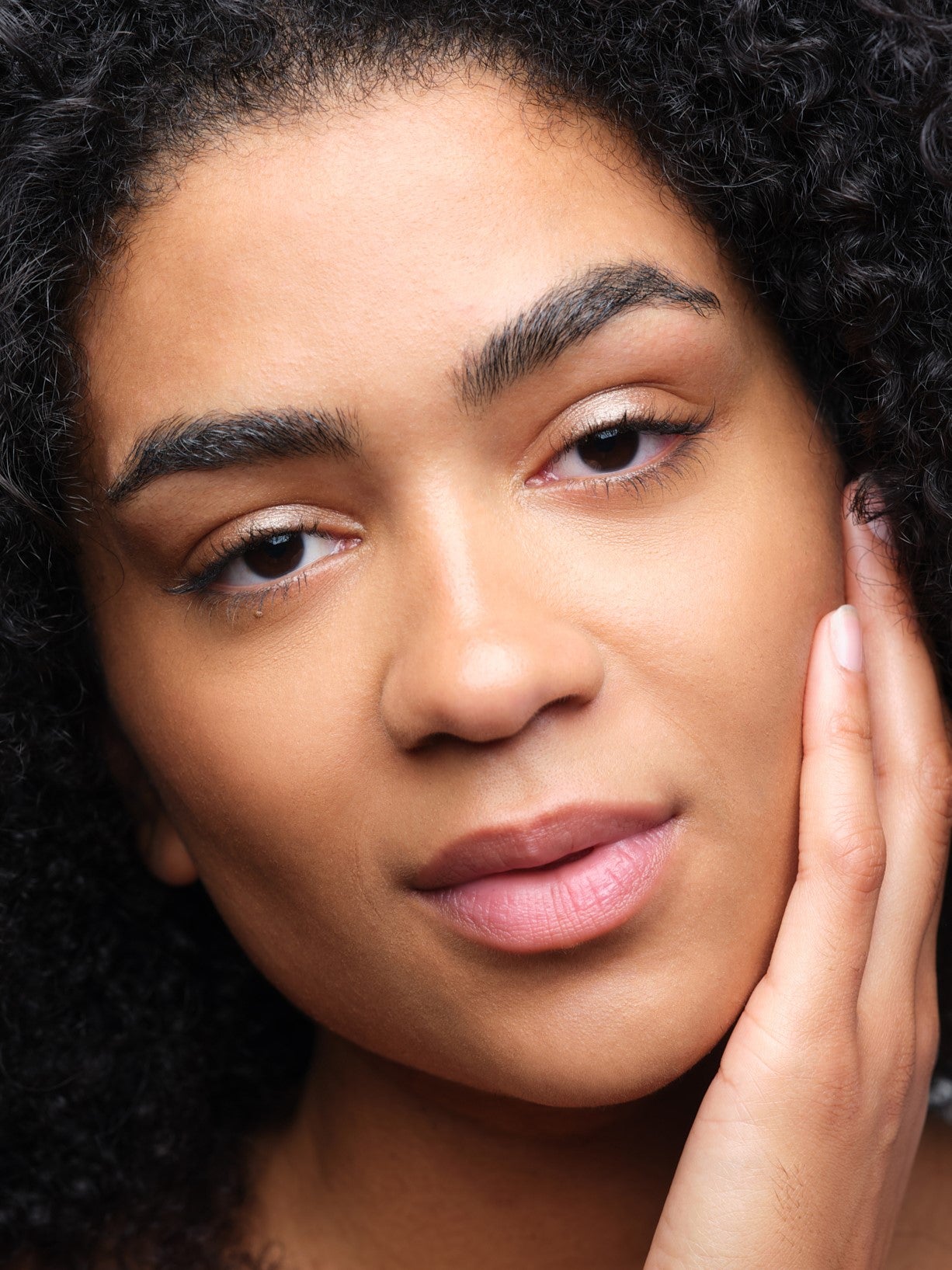
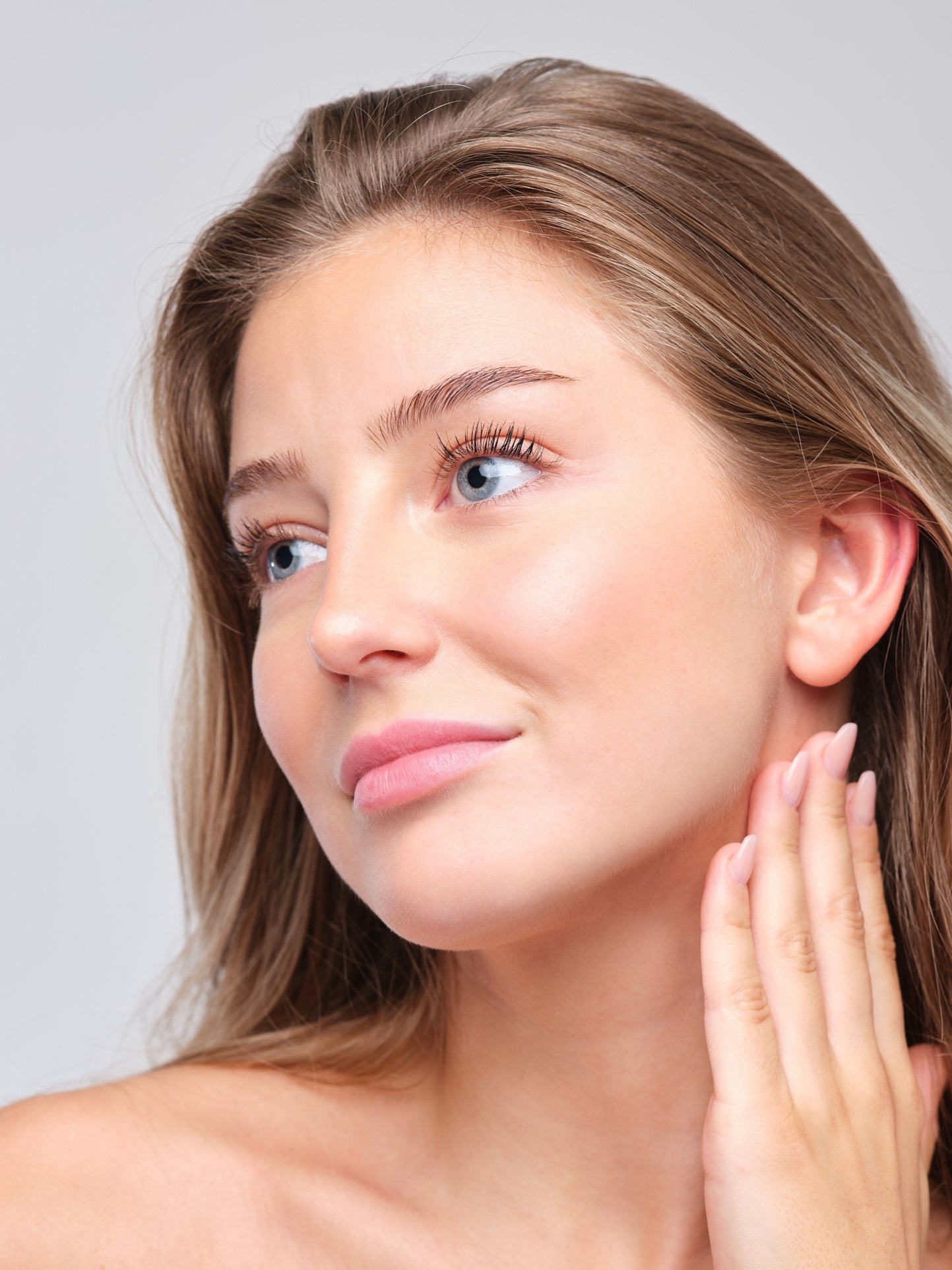
For visibly clearer and more radiant skin

Chemical peels

Chemical peels can be used to treat specific skin problems and stimulate natural regeneration. Whether for acne, pigmentation spots, enlarged pores, or the first signs of skin aging, chemical peels offer an effective solution on a medical-aesthetic basis.

What are chemical peels?

Chemical peel treatments at LIVION in Hamburg

At our clinic, we offer four individually tailored peeling procedures: Pyruvic Peel, Glycolic Acid Peel, Salicylic Acid Peel, and Retinol Peel. Each of these treatments uses proven active ingredients, is customized to your skin type, and is professionally performed by our experienced specialists.

Select your chemical peel

The Pyruvic peeling is a medical-aesthetic fruit acid peel based on pyruvic acid, which penetrates deep into the skin layers. There it unfolds its exfoliating, sebum-regulating and cell-stimulating effects. The Pyruvic Peel promotes cell renewal and is applied for specific targeted purposes:

  • Deep pore cleansing and sebum regulation
  • Improvement of skin texture in cases of acne, acne scars, and pigmentation disorders
  • Reduction of fine lines and skin tightening

    The peeling can deeply cleanse pores, reduce excess sebum, stimulate collagen production, and provide visibly improved skin. It is versatile and can be used on areas such as the face, décolleté, or back.

The Glycolic Acid Peeling is an effective superficial chemical peel based on glycolic acid, an alpha hydroxy acid (AHA). Thanks to its particularly fine molecular structure, the peel can penetrate deep into the upper layers of the skin, specifically stimulating cell renewal.

This treatment is particularly suitable for:

  • Impure, oily or enlarged-pored skin
  • Enlarged pores
  • Acne scars
  • Fine lines and wrinkles
  • Hyperpigmentation

The Peeling visibly refines skin texture while stimulating collagen production, which can improve elasticity and result in a smoother, more even complexion.

The Salicylic Acid Peeling is a well-established method for medical skin cleansing, especially suitable for oily, blemish-prone, or acne-prone skin. It is a superficial chemical peel based on beta-hydroxy acid (BHA). Unlike water-soluble alpha hydroxy acids (AHAs), salicylic acid is oil-soluble, allowing it to penetrate deeply into the sebaceous glands, where it exerts antibacterial and anti-inflammatory effects.

  • Acne and blemish-prone skin
  • Blackheads and clogged pores
  • Seborrheic (oily) skin
  • Mild acne scars
  • Inflammatory skin impurities

Regular use can significantly refine the skin’s appearance. Pores are clarified, blemishes are reduced, and excess sebum is regulated.

The Retinol-Peeling is considered a medium-depth chemical peel and is based on a highly effective form of vitamin A (retinoic acid). It penetrates deeply into the skin, promotes cell regeneration, and stimulates collagen synthesis – providing comprehensive skin renewal.

This treatment is particularly suitable for:

  • Wrinkles and fine lines
  • Acne scars and enlarged pores
  • Pigmentation irregularities
  • Sun-damaged, tired-looking skin

The Retinol-Peeling can visibly smooth the skin, even out the complexion, and give the skin a more uniform and radiant appearance.

Laser Assisted Dr. Ugurlu Delivery

FAQ

The most frequently asked questions about chemical peels
Depending on the type of peel and your skin condition, we generally recommend several sessions at intervals of 2 to 4 weeks. Retinol peels are recommended 1 to 3 times at intervals of 6 to 8 weeks. Touch-up sessions are advisable to maintain the results.

After a chemical peel, avoid further peels and irritating active ingredients. Aggressive cosmetic products should also be avoided. Instead, we recommend gentle cleansing and rich moisturizers to optimally support and protect the skin.

Depending on the type of peel, mild redness, dry skin, tightness, or peeling may occur. These reactions usually subside within a few days.

The skin is particularly sensitive after the treatment and requires gentle care. Sun protection with a high SPF (at least SPF 50) is essential. Additionally, sauna, solarium, swimming pools, and intense sun exposure should be avoided.