Nasenkorrektur Livion Hamburg

RHINOPLASTY

Rhinoplasty

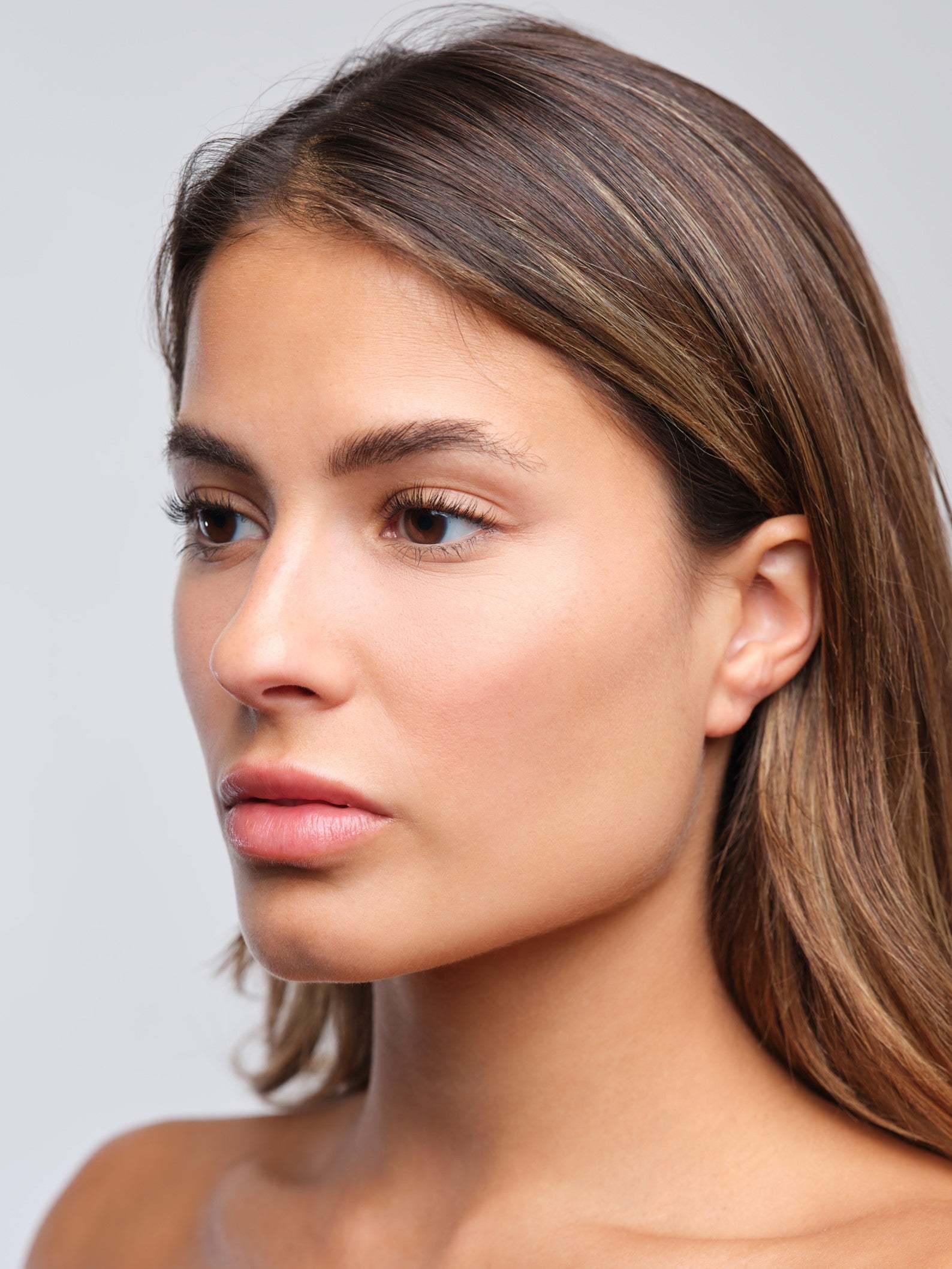
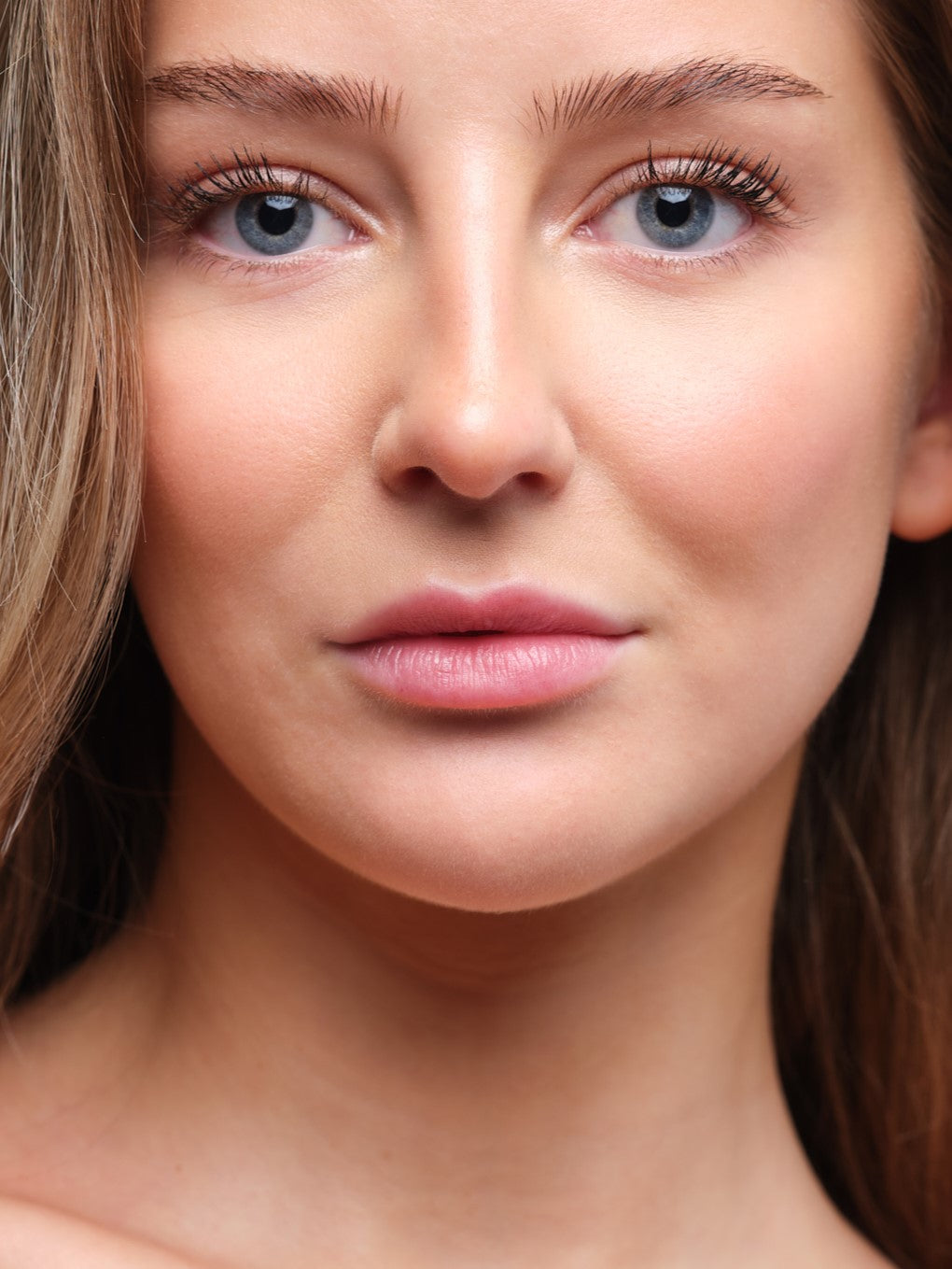
A nose cannot be concealed and immediately catches the eye of every observer. From the nasal bone to the tip of the nose, this organ shapes the character of your face. In addition, the nose has complex, vital functions. If you are dissatisfied with the shape of your nose or if your self-confidence suffers, if a crooked nose or a noticeable tip of the nose is also accompanied by nasal breathing problems, aesthetic or functional aesthetic rhinoplasty at LIVION in Hamburg could help.

Duration

1-2 hours

Aesthetics and function in harmony

Nose correction in Hamburg at LIVION

At Livion in Hamburg, we take a holistic approach to the nose. This means that aesthetic nose correction always takes into account the functions of the organ. The aim of nose surgery is not only to make you happy when you look in the mirror, but also to ensure that your nose can perform all its functions perfectly. Without exception, improving the appearance of the nose should take into account its functionality and improve it if necessary. We are convinced that an attractive nose should be aesthetically pleasing from every angle (front, side, from below, or from above), suit your individual face shape and bone structure, and remain functional.

Nose corrections and nose surgery in Hamburg at LIVION

We offer the following types of nose correction:

  • Removal of a nasal hump
  • Straightening of the nasal bone
  • Straightening of a deviated nasal septum
  • Reduction of the tip of the nose
  • Lifting the nose
  • Change in the shape and size of the nostrils
  • Lengthening and shortening of the nose
  • Correction of nasal deformities

If there is an indication for nose surgery, there are various options and techniques available. We will clarify what is appropriate in your specific case during a personal, detailed consultation.

How is a rhinoplasty performed?

An open or closed rhinoplasty approach can be used

A rhinoplasty can be performed using two main techniques: open or closed rhinoplasty.

In a closed rhinoplasty, the surgeon accesses the nasal cartilage through the nostrils to reshape it. This approach leaves no visible scars for the patient.

An open rhinoplasty is used for more complex cases. A small incision is made externally between the nostrils, allowing the surgeon a better view of the entire surgical area. This technique enables more precise correction of nasal deformities. Once the incision at the columella is made, the nasal skin is lifted, and the reshaping begins. If necessary, the nasal septum is corrected and the nasal turbinates are reduced to restore proper function. The tip of the nose is then reshaped, and any dorsal hump is reduced to achieve the desired contour. The nasal pyramid can be narrowed by fracturing and repositioning the nasal bones.

The incisions are closed with absorbable sutures. Scarring from a rhinoplasty is minimal and usually barely visible, located just under the nose. If the septum has been straightened, thin silicone splints may be placed to support healing and stabilization. At LIVION in Hamburg, nasal surgery is performed without nasal packing.

Both open and closed rhinoplasties are done under general anesthesia and usually take one to two hours, depending on complexity. The procedure is ambulatory, allowing patients to go home the same day.

What you need to bear in mind after the procedure

Follow-up care after rhinoplasty
You will receive medication and care instructions for post-operative aftercare in advance with a prescription. On the day of the operation, you should cool your face and neck, e.g. with a gel pad. In the first few days after a nose correction, cooling around the eye and cheek area can be particularly helpful in preventing swelling and bruising and reducing existing swelling more quickly. After your nose correction at LIVION in Hamburg, follow-up appointments will be scheduled: the silicone sheets and plaster cast are usually removed after one week. After the nose cast is removed, you will usually receive a tape bandage for another week.

FAQ

The most frequently asked questions about rhinoplasty

First and foremost, you should take 1–2 weeks off work after your rhinoplasty and allow yourself to rest. Physical rest and relaxation can help speed up the healing process. During the first 1–2 weeks after surgery, your nose may be congested due to swelling (similar to a severe cold), and bruising under the eyes is completely normal. Applying cool compresses to the eye area and neck during the first 48 hours can help reduce swelling and bruising. We will provide you with detailed instructions and guidance for your postoperative care in advance.

Most of our patients are able to fully resume social activities after about two weeks. During the first week, you will wear a nasal cast, and the swelling is usually quite noticeable. In the second week, you only need to wear tape, and the swelling and bruising gradually subside.

Patience is essential with rhinoplasty, as the nose gradually reduces in swelling after surgery and becomes more defined over time. The final result is usually visible after 12–18 months. When the cast is removed, one week after surgery, you may already notice some initial changes, but the swelling is usually still significant at this stage. Over the following weeks and months, the swelling will continue to subside, and the nose will gain increasing definition.

Health insurance generally only covers medically necessary nasal procedures, such as a septoplasty (nasal septum correction). Aesthetic changes to the nose are not covered by health insurance and must be paid for by the patient.

We recommend that our patients refrain from sports for approximately 8–12 weeks to allow proper healing and minimize the risk of injury. In particular, contact sports or ball games that place direct stress on the nose may need to be avoided for a longer period. Be sure to discuss this with your treating physician.

After a rhinoplasty, a nasal cast must be worn for approximately one week. It helps stabilize and protect the new shape of the nose during the initial healing phase. Once the cast is removed during the follow-up appointment, the nose is further protected with tape for an additional week.

The healing process can take varying amounts of time, but most patients are usually able to resume their normal daily activities after about 1 to 2 weeks. However, the final result is only visible after several months.

The cost of rhinoplasty varies depending on the clinic and the extent of the procedure. On average, prices range between €3,000 and €10,000.

Most patients report moderate pain after the procedure, which can be easily controlled with painkillers. Some discomfort is normal, but the pain is usually temporary.

Yes, most patients can feel their nose normally after the healing phase. However, some numbness or sensitivity may occur in the first few weeks after the procedure, but this is usually temporary.

Invest in Yourself

PATIENTS ARE ALSO INTERESTED IN THESE TREATMENTS: