
NAD+ Infusion Livion Hamburg

Modern altitude training

Hypoxia training for more energy and regeneration

Modern oxygen training, also known as hypoxia training, is an innovative advancement of classic altitude training. Targeted oxygen exchange trains the body's ability to adapt to different oxygen levels. After training, many patients report having more energy in everyday life, improved regeneration and increased general well-being.

Duration

40-60 minutes

What is modern oxygen training?

Hypoxia training at LIVION in Hamburg

Modern oxygen training is based on the principle of medical altitude training. A breathing mask is used to alternately supply oxygen-reduced (hypoxia) and oxygen-enriched air (hyperoxia). These controlled oxygen intervals can stimulate physiological adaptation processes in the body. The aim is to support natural energy production at the cellular level and promote regenerative capacity. At our practice in Hamburg, we work with a certified medical device with intelligent real-time control. The system adjusts the oxygen supply individually to your current values.

Support for energy and regeneration

Who is hypoxic training suitable for?

Oxygen training is ideal for people who want to support their general well-being without invasive measures. The training can be beneficial if you:

  • feel tired or exhausted frequently in everyday life
  • search for a method to support your energy
  • are physically active and want to promote your recovery
  • are under considerable pressure at work
  • want to take preventive measures for your well-being
  • deal with topics such as stress, performance or healthy ageing

Before starting hypoxia training, an individual consultation is held to clarify any questions and discuss possible contraindications. The recommended number of sessions may vary depending on your personal situation. For optimal results, 10–15 sessions are generally recommended, ideally with 2–3 sessions per week.

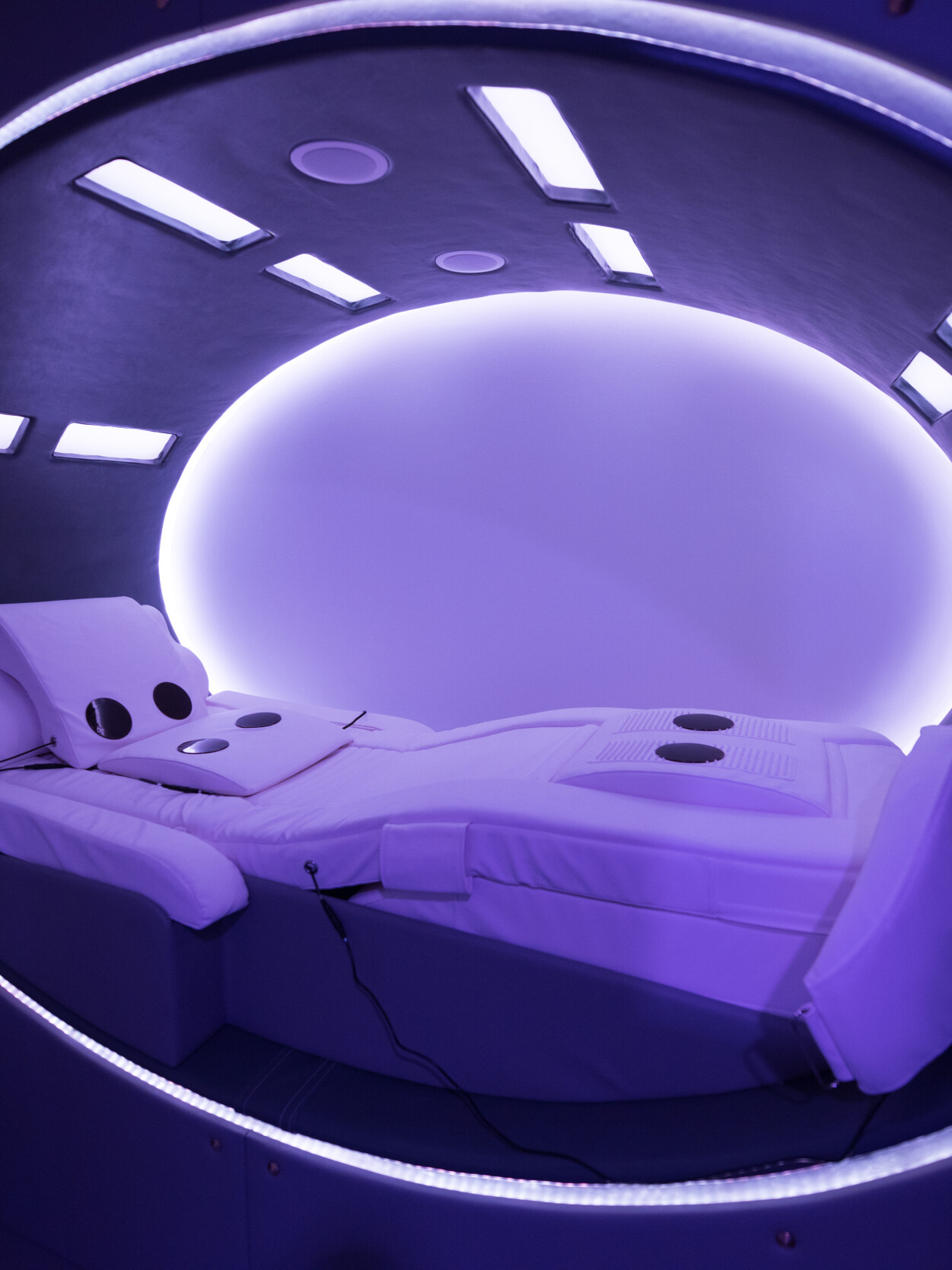
Relaxed altitude training while lying down

How does modern oxygen training work?

The procedure in our practice is calm and pleasant. After you arrive, we will have a short discussion to clarify all the details and take your individual needs into account. The system will then be individually adjusted to your personal values. During the treatment, you will wear a breathing mask and enjoy the approximately 40-minute training session while lying comfortably. Many patients find hypoxia training particularly pleasant and calming. At the end, we will have a personal feedback session to discuss your experiences and answer any questions you may have. Modern altitude training is often combined with selected infusions. While hypoxia training can support physiological adaptation processes, infusions provide the body with targeted micronutrients. We will determine which combination is right for you during a personal consultation.

FAQ

The most frequently asked questions about modern altitude training
Hypoxia training is a form of medical altitude training in which oxygen-depleted and oxygen-rich air is inhaled alternately. The training simulates different oxygen levels in a controlled manner to support the body's natural adaptability – without physical exertion as in classic altitude training in the mountains.

Controlled oxygen intervals are supplied via a breathing mask. A medical device continuously monitors your values and adjusts the training individually.

No, the training is not painful. Most patients find it relaxing.

A session lasts approximately 40-60 minutes, including a brief preliminary discussion and follow-up discussion.

The number of sessions depends on your individual goals and your initial situation. As a rule, 10–15 sessions are recommended, ideally with 2–3 sessions per week. We will discuss the optimal training frequency during your personal consultation.

The training is suitable for people who want to increase their energy in everyday life, promote regeneration after physical exertion or specifically support their general well-being. People who are under a lot of stress at work or who want to do something preventive for their vitality can also benefit from hypoxia training.

Before starting hypoxic training, an individual consultation is held to discuss possible contraindications. The training is generally safe, but should not be carried out if certain health restrictions apply.

Invest in yourself

PATIENTS ARE ALSO INTERESTED IN THESE TREATMENTS: