Bauchdeckenstraffung Livion Hamburg

For a toned abdomen and enhanced well-being

Abdominoplasty

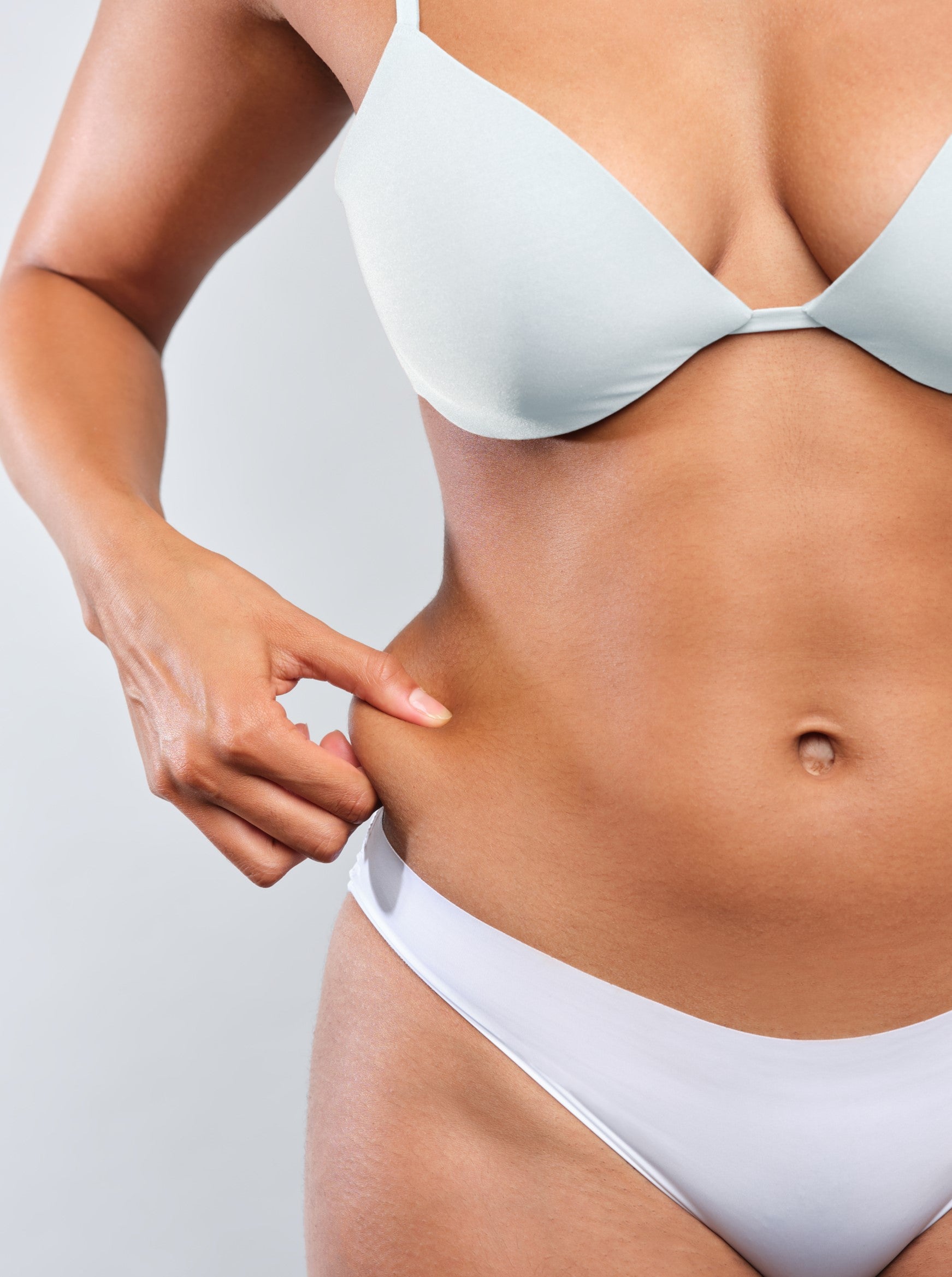
A past pregnancy, significant weight loss, or simply genetic predisposition of the connective tissue can lead to sagging skin and weakened tissue in the abdominal area. In most cases, this excess skin cannot be eliminated through exercise or dieting. Many affected individuals suffer greatly, as wearing tighter clothing or going to the swimming pool often feels nearly impossible out of shame.

At LIVION in Hamburg, you have the opportunity to achieve a firm and toned abdomen through an abdominoplasty, if necessary in combination with targeted liposuction. At our Hamburg practice, we take the time to offer you a detailed, personalized consultation in a non-binding appointment. Our goal is to support you comprehensively from the initial consultation through to aftercare and to achieve a natural-looking result.

Duration

3-5 hours

What is meant by an abdominoplasty?

Abdominoplasty at LIVION in Hamburg

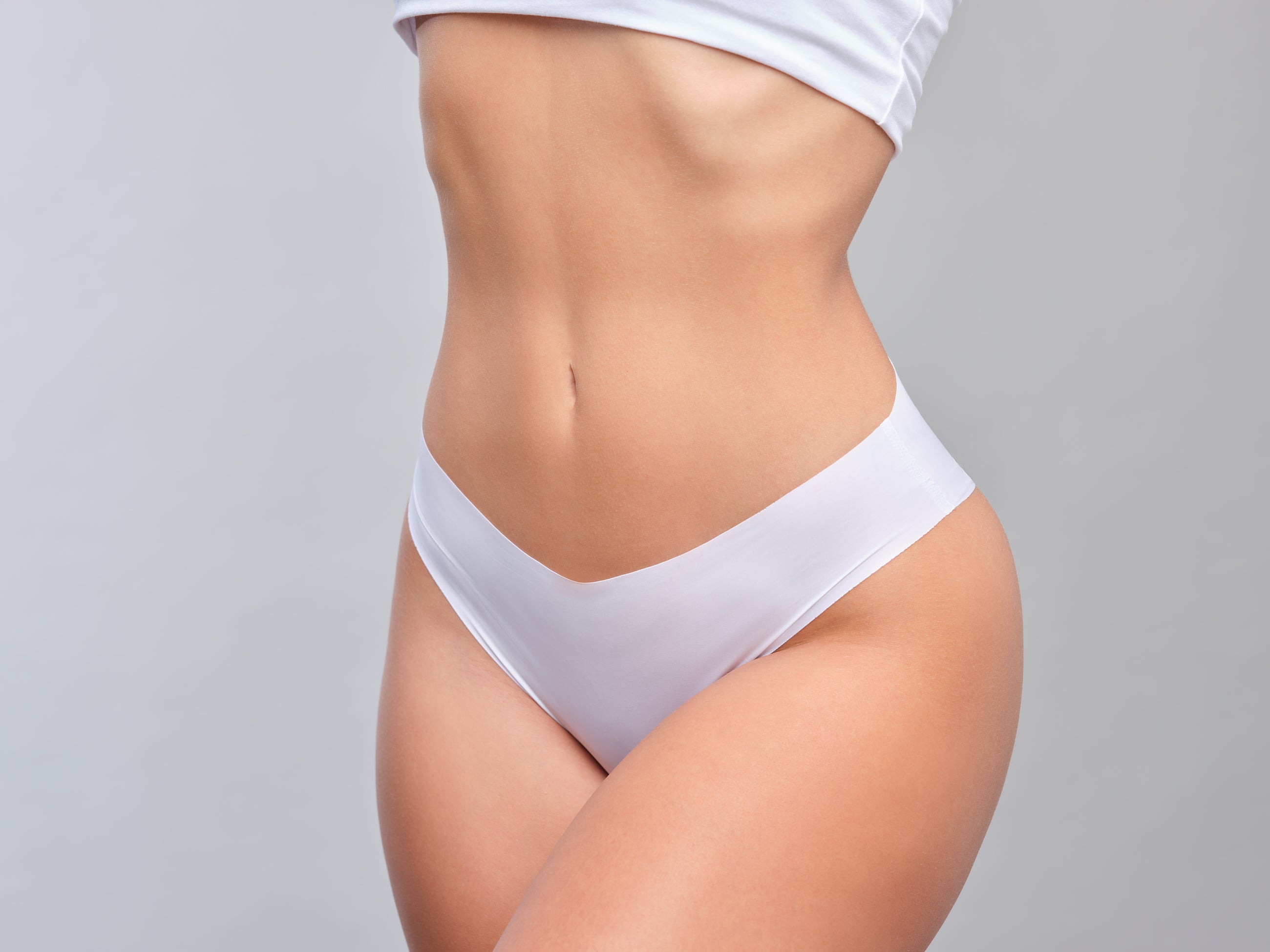
An abdominoplasty, also known as a tummy tuck, is often requested by our patients following pregnancy or significant weight loss. The reason is that many feel restricted in their quality of life due to excess abdominal skin. During an abdominoplasty, excess skin is removed, the abdominal muscles are tightened, and, if necessary, fatty tissue is reduced — resulting in a flatter and firmer abdomen.

How a tummy tuck works

Discreet incisions and a firm abdomen

During a tummy tuck, the incision is typically placed discreetly in the pubic area. The resulting scar is nearly invisible and always covered by underwear or swimwear. Excess skin and fat are carefully and precisely removed during the procedure, allowing the abdomen to be tightened. If necessary, the underlying abdominal muscles (rectus diastasis) can also be corrected and reinforced. In many cases, the navel is repositioned for a natural-looking result. At the end of the procedure, the skin is meticulously closed using multiple layers of sutures. Drains are often placed to support the healing process and are usually removed after about two days.

What you should consider after the procedure

Aftercare after a tummy tuck

Before your surgery, you will receive prescriptions for all necessary medications as well as detailed postoperative care instructions in your treatment folder. Immediately after the procedure, a compression garment will be applied to support wound healing and stabilise the surgical result.

You should wear this compression garment continuously for about 6–8 weeks, day and night. This helps minimise the risk of fluid accumulation (seroma), bruising (haematoma) and other wound-healing complications. Consistent compression is also an important factor in achieving an optimal long-term result.

We recommend avoiding sports and strenuous activities for approximately six weeks and refraining from putting pressure on the abdominal area during this time.

Proper scar care and regular follow-up appointments are essential to ensure a smooth recovery. During these check-ups, we will provide you with helpful aftercare tips, monitor your healing progress and discuss the results with you in detail.

Your doctors for a tummy tuck

FAQ

The most frequently asked questions about tummy tuck

The results are immediately visible, but the abdomen will initially be very firm and swollen. Significant bruising can occur, especially if combined with previous liposuction. Additionally, fluid accumulation in the abdominal area may develop. If the accumulation is excessive, it can be drained during a follow-up appointment. Scars may take 6–12 months to fully heal and become barely noticeable.

Pain after a tummy tuck can vary from person to person, but it is common to experience some discomfort during the first few days after surgery. This is usually managed with pain medication prescribed by your surgeon. The pain generally subsides over the following weeks, and most patients can return to normal activities after approximately two weeks.

The amount of physical rest needed depends on the extent of the procedure and your individual constitution. A two-week break is generally recommended to allow your body to recover. During this time, short walks are highly encouraged to keep your circulation active. It is especially important to maintain a slightly bent posture during the first week to protect the stitches.

It can take one to two years for the scar to fully mature, during which time it can be effectively treated.

Since we primarily use dissolvable sutures, only the small loops at the ends of the sutures are usually trimmed after 7–14 days to prevent any discomfort. Individual sutures are typically removed during the first follow-up appointment after surgery.

Sun exposure can increase swelling and the risk of scar discoloration. Generally, you may resume sun exposure after two weeks, but direct UV exposure on the scars should be completely avoided for approximately one year.

Physical activity should be avoided for approximately 6–8 weeks. However, longer walks are generally fine after one to two weeks.

The compression garment should be worn continuously, day and night, for 6–8 weeks. After the first few days, it can be washed and dried. Once dry, the garment should be put on again immediately.

Invest in Yourself

PATIENTS ARE ALSO INTERESTED IN THESE TREATMENTS: