Blood washing (Environmental Apheresis®)

Our bodies are exposed to a wide range of environmental stresses every day: pollutants, heavy metals and fine particles can accumulate unnoticed and disrupt the body’s natural balance. Environmental Apheresis® is an innovative way to specifically relieve the organism. It may help to restore energy, support the body’s own regeneration and promote overall well-being. For those who want to take an active approach to prevention and are not willing to settle for less.

Duration

2–3 hours

What is Environmental Apheresis®?

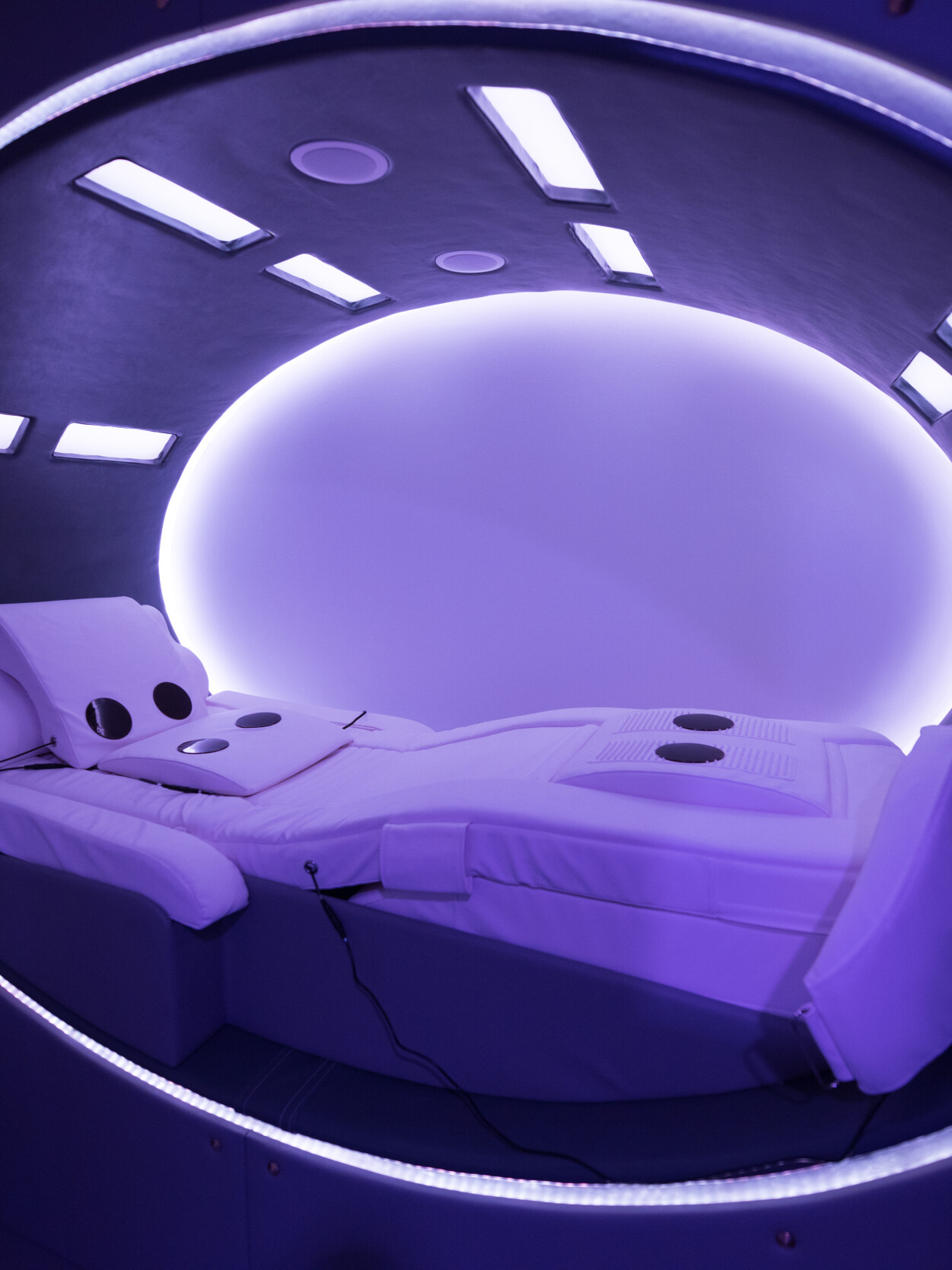
Environmental Apheresis at LIVION in Hamburg

Environmental Apheresis® is a special blood purification procedure designed to remove pollutants, heavy metals, microplastics and other environmental toxins from the blood. The blood is passed through a filtration system outside the body, which selectively filters out harmful substances. The aim is to reduce the body’s toxic burden, support the immune system and help alleviate environmentally related complaints.

How is an Environmental Apheresis® performed?

During an Environmental Apheresis®, blood is circulated through a specialized filtration system outside the body. First, blood is drawn from a vein and passed through a filter that removes harmful substances such as heavy metals, microplastics, and other environmental toxins. The purified blood is then returned directly to the body. The treatment usually takes 2–3 hours and is performed under medical supervision. The goal is to eliminate burdensome substances from the body and improve overall well-being.

FAQ

The most frequently asked questions about environmental apheresis®

Environmental apheresis is generally not painful but may be uncomfortable for some patients. The needle insertion for blood collection feels similar to a standard blood draw. During the procedure, mild sensations of cold, tingling, or fatigue may occur as the blood is filtered extracorporeally. Some patients report slight pressure at the puncture site. Overall, the procedure is well tolerated and is conducted under medical supervision.

The effects of environmental apheresis vary individually and depend on factors such as general health, toxin exposure, and the number of treatments.
• Short-term: Some patients report increased well-being, more energy, or an improvement in nonspecific symptoms such as fatigue or headaches within a few days after the first session.
• Medium-term: After several treatments (usually 3–5 sessions), symptoms such as skin problems, inflammation, or allergies may show noticeable improvement.
• Long-term: The body is gradually relieved of toxins, which may contribute to improved organ function and overall well-being.
Since the body needs time to regenerate, the full effects are often only noticeable after several weeks or months.

The number of environmental apheresis treatments required depends on individual exposure to toxins and specific symptoms.

• Single treatment: May lead to short-term improvement in well-being but is generally not considered sufficient.
• Course of treatments (3–5 sessions): Recommended for moderate exposure or general detoxification. Noticeable improvements are often reported.
• Intensive therapy (6–10 sessions): Recommended for high toxin exposure or chronic symptoms. Sessions are usually scheduled weekly or every two weeks.

After an environmental apheresis treatment, several points should be observed to optimize results and support the body’s regeneration:

1. Drink plenty of fluids
• Drink at least 2–3 litres of water or unsweetened tea per day to support detoxification.

2. Eat a healthy diet
• Consume easily digestible, nutrient-rich foods to avoid placing additional strain on your body.
• Avoid alcohol, caffeine, and highly processed foods for a few days.

3. Take it easy physically
• Refrain from strenuous physical activity immediately after the treatment.
• Light exercise (e.g., walking) can be beneficial.

4. Support the detoxification process
• If recommended by your doctor, antioxidants, vitamins, or minerals may be helpful.
• Saunas or lymphatic drainage can support elimination but should only be used after consulting your doctor.

5. Watch for possible reactions
• Temporary side effects may include fatigue, mild headaches, or circulatory issues.
• Contact your doctor if you experience unusual or severe symptoms.

6. Regular follow-up care
• Depending on your health status, additional sessions or laboratory checks may be recommended.
• Discuss with your doctor whether and when follow-up treatment is appropriate.

Invest in yourself

PATIENTS ARE ALSO INTERESTED IN THESE TREATMENTS: